
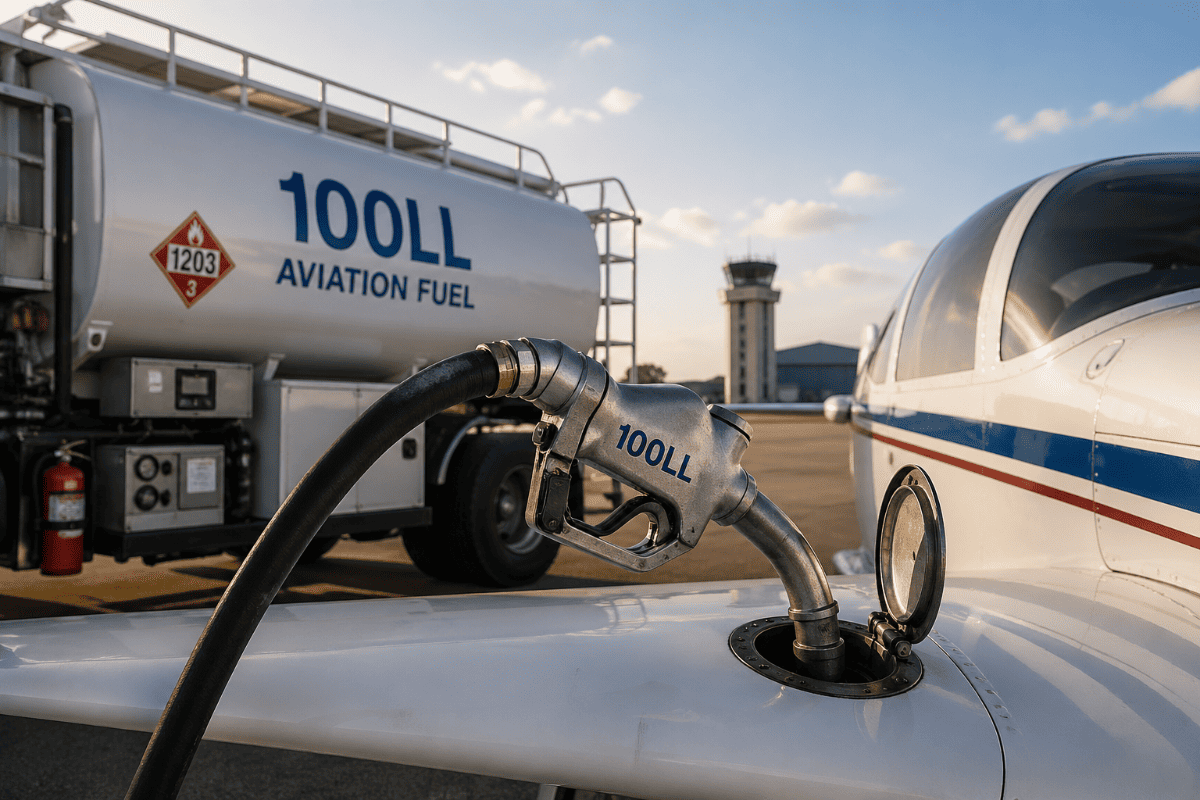
Safe flying starts with the right fuel choice, especially for small aircraft used in general aviation. A widely used option is 100LL aviation fuel, which is made specifically for piston-engine aircraft. These aircraft need fuel that performs consistently under different pressure and weather conditions. This fuel helps maintain smooth engine operation and supports safe flying for training, private travel, and aviation operations across many regions where general aviation is active.
What is 100LL Aviation Fuel and Its Importance in Piston-Engine Aircraft Operations?
100LL aviation fuel is a special type of fuel made for piston-engine aircraft. These aircraft are used in flight training, private flying, and small aviation operations.
This fuel is important because it helps the engine run in a steady way during flight. It also supports safe flying in different weather and air conditions.
It is used because:
- It works well with many small aircraft engines
- It helps engines run smoothly from takeoff to landing
- It is widely available for general aviation use
Without this fuel, many small aircraft would not operate safely or efficiently.
100LL Fuel Composition and How It Supports Stable Aircraft Performance
The 100LL fuel composition is made in a controlled way so that aircraft engines can run safely. It is carefully prepared so that the fuel burns evenly inside the engine.
This helps the aircraft by:
- Giving steady engine power during flight
- Helping the fuel burn in a clean and smooth way
- Reducing sudden engine issues during flying
Because of this stable design, pilots trust it for everyday flying and training flights.
What is the Octane Rating of 100LL Fuel and Why Is It Critical for Engine Efficiency
When asking what the octane rating of 100LL fuel is, it refers to how strong the fuel is against engine knocking. The number 100 shows it has a high level of strength.
A higher octane level helps:
- Keep the engine running smoothly
- Prevent shaking or knocking inside the engine
- Support better performance during flight
This is very important because aircraft engines work under strong pressure and need stable fuel.
100LL Aviation Fuel Octane Levels and Their Impact on Flight Safety and Reliability
The 100LL aviation fuel octane level plays a big role in keeping flights safe. Aircraft engines need fuel that does not break down under pressure.
This helps:
- Keep the engine stable during long flights
- Support safe takeoff and climbing in the sky
- Reduce engine stress during use
Because of this, it is trusted in many flying situations where safety is very important.
Why 100LL Fuel is Used Across General Aviation and Aircraft Fleets
The question of why 100LL fuel is used is easy to understand. It is used because many aircraft are designed to run on it safely.
It is used in:
- Flight schools for student training
- Private aircraft for personal travel
- Small aircraft fleets for regular flying
It is popular because it is reliable and works well in many different flying conditions.
Low Lead Aviation Fuel and the Industry Shift Toward Cleaner Alternatives
The idea of low lead aviation fuel means the fuel has less lead compared to older aviation fuels. This helps reduce pollution while still keeping engines safe.
Even though cleaner fuels are being developed, this fuel is still widely used because:
- Many aircraft are built for it
- It is available in many airports
- It works well with existing aircraft engines
So it remains an important fuel in aviation today.
Avgas vs Jet Fuel Difference: Understanding Two Essential Aviation Fuel Types
The avgas vs jet fuel difference is simple. Both fuels are used in aircraft, but they are not the same.
- Avgas is used in piston-engine aircraft
- Jet fuel is used in jet and turbine engines
- They are made differently for different engine needs
Using the wrong fuel can damage the aircraft engine, so the correct fuel choice is very important.
100LL Aviation Fuel Exporters and the Global Fuel Supply Chain Network
The role of 100ll aviation fuel exporters is to help supply fuel across different countries. Aircraft fly worldwide, so fuel must also be available globally.
They help by:
- Sending fuel in large amounts to different countries
- Supporting airports and aviation operations
- Making sure fuel is always available where needed
This helps keep aviation working smoothly around the world.
100LL Avgas International Distributor Role in Ensuring Worldwide Fuel Availability
A 100LL avgas international distributor helps connect fuel supply with aircraft users in many countries. This system makes sure fuel reaches airports and operators without delay.
Their role includes:
- Moving fuel across international locations
- Supplying aviation fuel in bulk
- Supporting aviation operations with steady delivery
This ensures aircraft always have access to fuel when needed.
Ensuring Quality, Storage, and Handling Standards in 100LL Aviation Fuel Distribution
Aviation fuel must always be handled with care. 100LL fuel is stored and transported under strict rules to keep it safe and useful.
Important steps include:
- Keeping fuel in safe storage conditions
- Handling fuel carefully during transport
- Following aviation safety rules
These steps make sure the fuel works properly when used in aircraft.
Connect With Trusted Aviation Fuel Experts for Reliable 100LL Supply Solutions
Aviation depends on fuel that is always available and safe to use. Through 100LL aviation fuel exporters, this fuel continues to support many aircraft around the world. Sergeant Oil & Gas helps keep the aviation gasoline supply structured so flights stay smooth, safe, and ready for operation at all times.
Frequently Asked Questions
Q1: What is 100LL aviation fuel
100LL aviation fuel is a special fuel used in small aircraft with piston engines. It helps the engine run smoothly during all parts of flight, like takeoff, flying, and landing. It is widely used in general aviation around the world.
Q2: What does 100LL stand for in aviation
100LL stands for “100 Low Lead.” It means the fuel has strong performance with a lower amount of lead compared to older aviation fuels. It is made to support safe engine use in small aircraft.
Q3: Why is 100LL called low lead fuel
It is called low lead fuel because it has less lead than older aviation gasoline. The lower lead helps reduce pollution while still keeping aircraft engines running smoothly and safely.
Q4: What aircraft use 100LL aviation fuel
100LL aviation fuel is used in piston-engine aircraft like training planes, private planes, and small aircraft used in general aviation. These aircraft depend on it for steady and safe engine performance.
Q5: How is 100LL different from jet fuel
100LL is used in piston engines, while jet fuel is used in jet engines. Both fuels are made differently and cannot be mixed or replaced with each other because engines work in different ways.
Q6: Why does aviation fuel contain lead
Lead is added to aviation fuel to help the engine run smoothly and avoid knocking. It improves engine performance and keeps combustion stable inside piston engines during flight.
Q7: Is 100LL aviation fuel still used today
Yes, 100LL aviation fuel is still used today in many parts of the world. It is important for general aviation, especially for aircraft that are already designed and certified to use it.
Q8: What is the octane rating of 100LL fuel
100LL fuel has an octane rating of 100. This means it can handle high pressure inside the engine and helps prevent knocking, giving smoother and safer engine performance.
Q9: Are there alternatives to 100LL aviation fuel
Yes, alternatives are being developed to reduce environmental impact. But 100LL is still widely used because many aircraft are built to run only on this type of fuel.
Q10: Why is 100LL fuel important for aircraft engines
100LL fuel is important because it keeps aircraft engines stable and smooth. It helps prevent engine knocking, supports safe flying, and ensures reliable performance during all stages of flight.

- 100 Octane Aviation Fuel: A Complete Guide to Performance, Applications, and Reliable Supply - July 10, 2026
- How Fuel Prices Are Affecting Aviation in 2026 - June 30, 2026
- What’s the SHELF LIFE of Avgas? - June 18, 2026

