
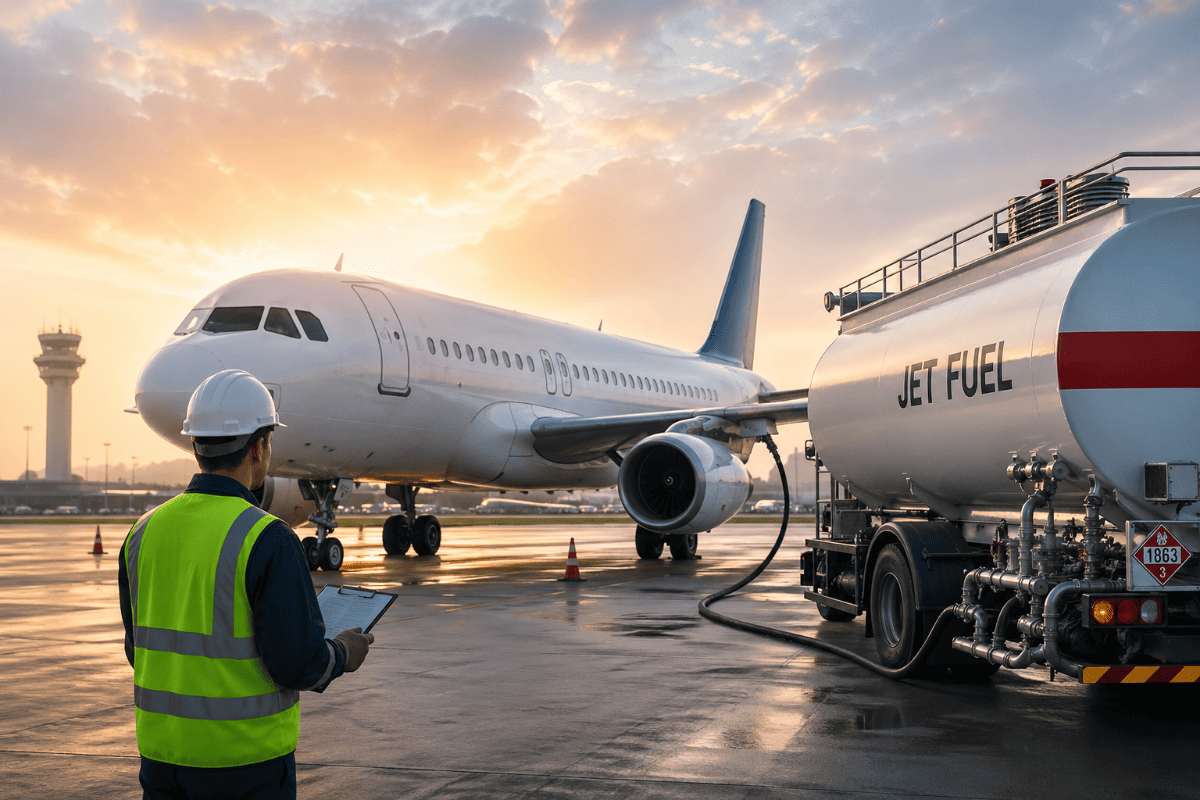
Not all aircraft use the same type of fuel, especially in general aviation, where smaller planes are common. These aircraft need a special fuel that supports smooth and safe engine performance. This fuel must also be available on time to avoid any delay in operations. Fuel logistics make sure this supply stays steady across airports and aviation locations. In private flying and small aircraft use, aviation fuel 100LL is widely used because it supports reliable engine performance and safe flight operations.
Understanding How Fuel Logistics Affect Airline Operations Across the Network
Airlines depend on fuel every single day. The topic of fuel logistics affects airline operations, explaining how fuel timing can change flight schedules.
When fuel delivery is smooth:
- Flights take off on time
- Aircraft are ready when needed
- Airport operations stay balanced
But if fuel arrives late, even one delay can affect many flights in the network. This shows how important fuel planning is for airlines.
Fuel Supply Chain in Aviation and Its Role in Daily Flight Performance
The fuel supply chain in aviation is the full journey of fuel from storage tanks to aircraft engines. It includes storage, transport, and delivery steps.
This system helps by:
- Making sure fuel is always ready at airports
- Supporting daily flying schedules
- Reducing the chance of fuel shortage
Without this chain, aircraft would not have fuel ready when needed, and flights could stop or be delayed.
How Airports Manage Fuel Supply for Smooth Aircraft Turnarounds
Airports must handle fuel carefully to keep flights running on time. Airports’ management of fuel supply includes planning, checking, and quick refueling systems.
Airports usually:
- Store fuel in large, safe tanks
- Monitor fuel levels every day
- Refuel aircraft quickly between flights
- Work with fuel delivery teams closely
This helps aircraft land, refuel, and take off again without wasting time.
Aviation Fuel 100LL for Private Aircraft and General Aviation Needs
Many small aircraft use a special fuel type for safe flying. The idea of aviation fuel 100LL for private aircraft is important in general aviation.
It is used because:
- It works well in small aircraft engines
- It gives stable and smooth engine performance
- It is available in many aviation fuel networks
This makes it a trusted fuel for private flying and small aircraft operations.
Avgas for Flight Training Schools and Small Fleet Operators
Flight schools need fuel every day for training new pilots. Avgas for flight training schools supports these regular flying lessons.
It helps by:
- Keeping training aircraft ready all the time
- Supporting daily student flying practice
- Making sure lessons are not delayed
Without a steady fuel supply, flight training programs would slow down or stop.
Avgas 100LL Technical Specification and Why It Matters for Safety
Aircraft fuel must meet strict safety rules. The avgas 100LL technical specification explains how this fuel is made and how it should perform.
These rules help:
- Keep engine performance steady
- Make fuel burn safely inside engines
- Match aircraft engine needs
This ensures that pilots can fly safely with fewer risks during operations.
Role of 100LL Avgas International Distributors in Global Fuel Availability
Aircraft fly across many countries, so fuel must also move globally. A 100LL avgas international distributor helps make fuel available in different regions.
They help by:
- Supplying fuel to many countries
- Supporting airports and aviation hubs
- Keeping fuel supply steady worldwide
This system helps aircraft operate smoothly across international routes.
How Fuel Costs Impact Airline Operations and Route Planning
Fuel is one of the highest costs in aviation. The topic of cost impact on airline operations shows how pricing affects airline decisions.
Fuel cost changes can:
- Affect ticket prices
- Change flight routes
- Impact airline planning and budgets
When fuel becomes expensive, airlines must carefully plan to manage overall costs.
How to Improve Aviation Fuel Logistics Efficiency for Better Operations
Better fuel planning helps airlines and airports work more smoothly. The idea of improving aviation fuel logistics efficiency focuses on making fuel delivery faster and more reliable.
This can be done by:
- Planning fuel needs in advance
- Improving communication between airports and suppliers
- Reducing delays in fuel transport
- Using better storage systems
These steps help keep flights on time and reduce fuel-related problems.
Keep Flights Running Smoothly with Better Fuel Planning
Air travel works well only when fuel is available on time and in the right place. When fuel delivery is planned properly, aircraft can take off and land without delay. Airports and aviation teams depend on this steady flow every day to keep operations safe and on schedule.
This is where how fuel logistics affect airline operations becomes very important. It shows how fuel timing can change flight schedules, airport work, and overall travel flow. When fuel moves smoothly from supply points to airports, everything in aviation works in a simple and stress-free way.
A well-organized system like Sergeant Oil & Gas helps support this smooth fuel flow so aircraft stay ready, operations stay steady, and flights continue without unnecessary delays.
Frequently Asked Questions
Q1: What is aviation fuel logistics
Aviation fuel logistics is the system that manages how fuel is stored, moved, and delivered to airports and aircraft. It makes sure fuel is always available so flights can operate safely and on time.
Q2: How does fuel logistics impact flight operations
Fuel logistics affect flight timing, aircraft readiness, and airport schedules. If fuel arrives late, flights may be delayed. When logistics work well, flights run smoothly without interruptions.
Q3: Why is fuel supply important in aviation
Fuel supply is important because aircraft cannot fly without it. A steady fuel supply helps keep flights on schedule and ensures safe and continuous airport operations every day.
Q4: What happens if fuel delivery is delayed at an airport
If fuel delivery is delayed, aircraft may not get refueled on time. This can cause flight delays, schedule changes, and disruption in airport operations.
Q5: How do airlines manage fuel supply and logistics
Airlines plan fuel needs and work with suppliers to ensure fuel arrives on time. They use planning systems to avoid shortages and keep flights running smoothly.
Q6: What are the challenges in aviation fuel logistics
Challenges include delivery delays, storage limits, changing demand, and coordination issues between suppliers and airports. These can affect fuel availability and flight schedules.
Q7: How does fuel availability affect flight schedules
When fuel is available on time, flights depart as planned. If fuel is not ready, flights may be delayed or rescheduled, affecting overall operations.
Q8: What role does fuel logistics play in flight planning
Fuel logistics help airlines plan routes and schedules by ensuring fuel will be available at each airport when needed for safe operations.
Q9: How is aviation fuel transported and stored
Aviation fuel is moved using safe transport systems and stored in approved airport tanks. It is handled carefully to keep it clean and safe for aircraft use.
Q10: How can airlines improve fuel logistics efficiency
Airlines can improve efficiency by planning fuel needs early, improving coordination with suppliers, reducing transport delays, and using better storage and management systems.

- 100 Octane Aviation Fuel: A Complete Guide to Performance, Applications, and Reliable Supply - July 10, 2026
- How Fuel Prices Are Affecting Aviation in 2026 - June 30, 2026
- What’s the SHELF LIFE of Avgas? - June 18, 2026

