
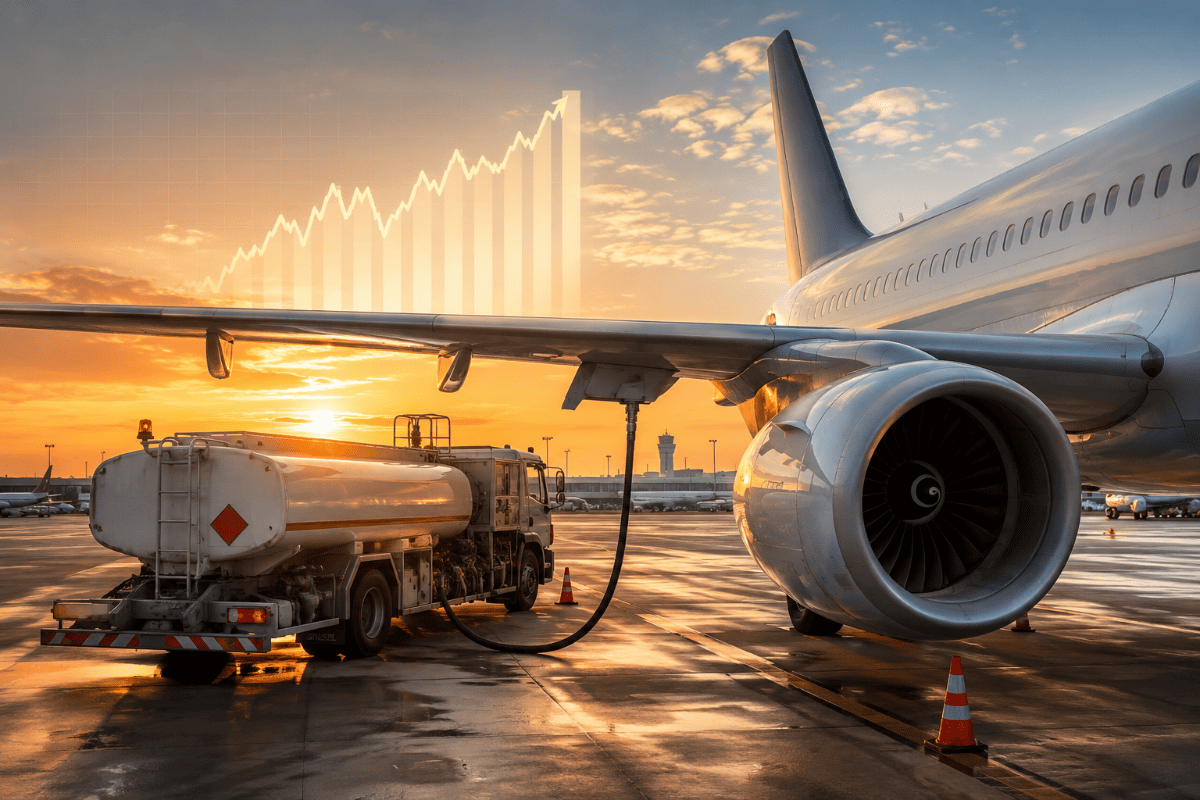
Aviation fuel prices for 2026 are shaping how airlines plan routes, manage costs, and even decide ticket pricing. Fuel remains one of the biggest expenses in aviation, so even small price changes create a big impact on the whole industry. In 2026, rising global demand, supply pressure, and clean fuel shifts are all playing a role in this change.
Airlines, cargo operators, and small aircraft users are all feeling the effect. From jet fuel to AVGAS 100LL, every category of aviation fuel is seeing cost movement that directly affects flight operations and planning.
Why Aviation Fuel Prices Are Changing in 2026
Fuel costs in aviation are not stable. They change based on global demand, crude oil prices, transport costs, and refining conditions. In 2026, many airlines are facing pressure because supply and demand are not always balanced.
Another reason why aviation fuel prices are increasing is logistics. Moving fuel across countries, storing it at airports, and keeping it ready for aircraft needs a strong supply system. Any disruption in this system increases the final cost.
Also, different regions have different pricing structures. So airlines often pay different rates depending on where they operate.
Frequently Asked Questions
Q1: How are fuel prices affecting aviation in 2026?
Fuel prices in 2026 are increasing airline operating costs, making flights more expensive to run. Airlines adjust schedules, ticket pricing, and fleet planning to manage fuel expenses and maintain profitability.
How Fuel Prices Are Affecting Airlines in 2026
Airlines are directly impacted by rising fuel costs. Fuel is often the largest single expense for airline operations. When prices rise, airlines must adjust in different ways.
They may increase ticket prices, reduce flight frequency, or use more fuel-efficient aircraft. Some airlines also optimize routes to save fuel.
The impact is not just financial. It also affects planning, staffing, and long-term route decisions. Smaller airlines feel this pressure more strongly because they have less flexibility in their budgets.
Frequently Asked Questions
Q2: How do fuel costs impact airline ticket prices?
When fuel costs rise, airlines often increase ticket prices to balance expenses. Since fuel is a major cost, even small price changes can influence fares, especially on long-distance routes.
Why Aviation Fuel Specifications Matter
Aircraft cannot use regular fuel. They need fuel that meets strict safety and performance rules. These rules are called Aviation gasoline specifications.
These specifications control things like purity, combustion quality, and stability. They ensure that fuel performs safely at high altitudes and different temperatures.
Aviation fuel must also remain stable during storage and transport. That is why fuel quality is checked at every stage before it reaches the aircraft.
Frequently Asked Questions
Q3: What is the current outlook for jet fuel prices?
Jet fuel prices are expected to stay unstable in 2026 due to global supply changes, demand fluctuations, and energy market conditions. Prices may rise or stabilize depending on crude oil trends.
Understanding 100LL Aviation Fuel and Octane Performance
100LL aviation fuel octane plays a big role in piston-engine aircraft performance. The octane rating shows how well the fuel resists engine knocking.
Higher octane means smoother engine operation and better protection under pressure. This is very important during takeoff, climb, and landing.
For general aviation aircraft, stable octane performance ensures safe and predictable engine behavior.
How Fuel Density and Composition Affect Performance
Fuel performance is not only about octane. Avgas density and composition also matter. Density affects how fuel flows through the system. Lighter fuel helps engines perform consistently across different conditions.
Composition includes hydrocarbons and additives that improve combustion and stability. Together, these factors help aircraft engines run smoothly without interruption.
Frequently Asked Questions
Q4: Why are aviation fuel prices increasing?
Prices are increasing due to higher crude oil costs, global demand, transport expenses, and supply chain pressure. Airport logistics and refining costs also add to the final fuel price.
Current Aviation Fuel Price Trends in 2026
The current aviation fuel price trends in 2026 show steady fluctuations rather than fixed pricing. Markets are reacting to global energy shifts and changing travel demand.
Sustainable fuel use is also increasing, which adds new pricing layers. Some airports are investing in cleaner fuel options, which can cost more initially but support long-term planning. Airlines now monitor fuel pricing more closely than before to manage budgets effectively.
Frequently Asked Questions
Q5: How are airlines reducing fuel expenses?
Airlines reduce fuel costs by using fuel-efficient aircraft, optimizing flight routes, reducing weight, and improving flight planning systems. Some also invest in newer aircraft models with better fuel efficiency.
Sustainable Aviation Fuel and Its Growing Role
Sustainable Aviation Fuel is becoming more important in 2026. It is designed to reduce carbon emissions compared to traditional aviation fuel.
Many airlines are slowly blending it with regular fuel to support environmental goals. It does not replace traditional fuel fully yet, but it supports cleaner aviation operations. The use of SAF is also influencing long-term fuel pricing and supply strategies.
Frequently Asked Questions
Q6: What role does sustainable aviation fuel play in 2026?
Sustainable aviation fuel helps reduce carbon emissions in aviation. In 2026, airlines are adopting it gradually to meet environmental targets and support long-term sustainability goals.
How Fuel Cost Shapes Airline Strategy
Fuel cost is not just an expense. It shapes the entire airline strategy. From ticket pricing to fleet planning, everything depends on fuel stability.
When prices are stable, airlines can plan better. When prices rise, they must adjust quickly. This makes fuel one of the most important factors in aviation business decisions.
Reliable Fuel Planning for Aviation Operations
Strong fuel planning starts with dependable supply and clear market understanding. Aviation fuel decisions must balance cost, availability, and performance needs.
For operators looking to manage aviation fuel prices in 2026 more effectively, working with a structured fuel supply partner becomes important.
Sergeant Oil & Gas supports aviation fuel coordination with a focus on reliable supply planning, helping operators stay prepared for changing fuel conditions in a global market.

- 100 Octane Aviation Fuel: A Complete Guide to Performance, Applications, and Reliable Supply - July 10, 2026
- How Fuel Prices Are Affecting Aviation in 2026 - June 30, 2026
- What’s the SHELF LIFE of Avgas? - June 18, 2026

