
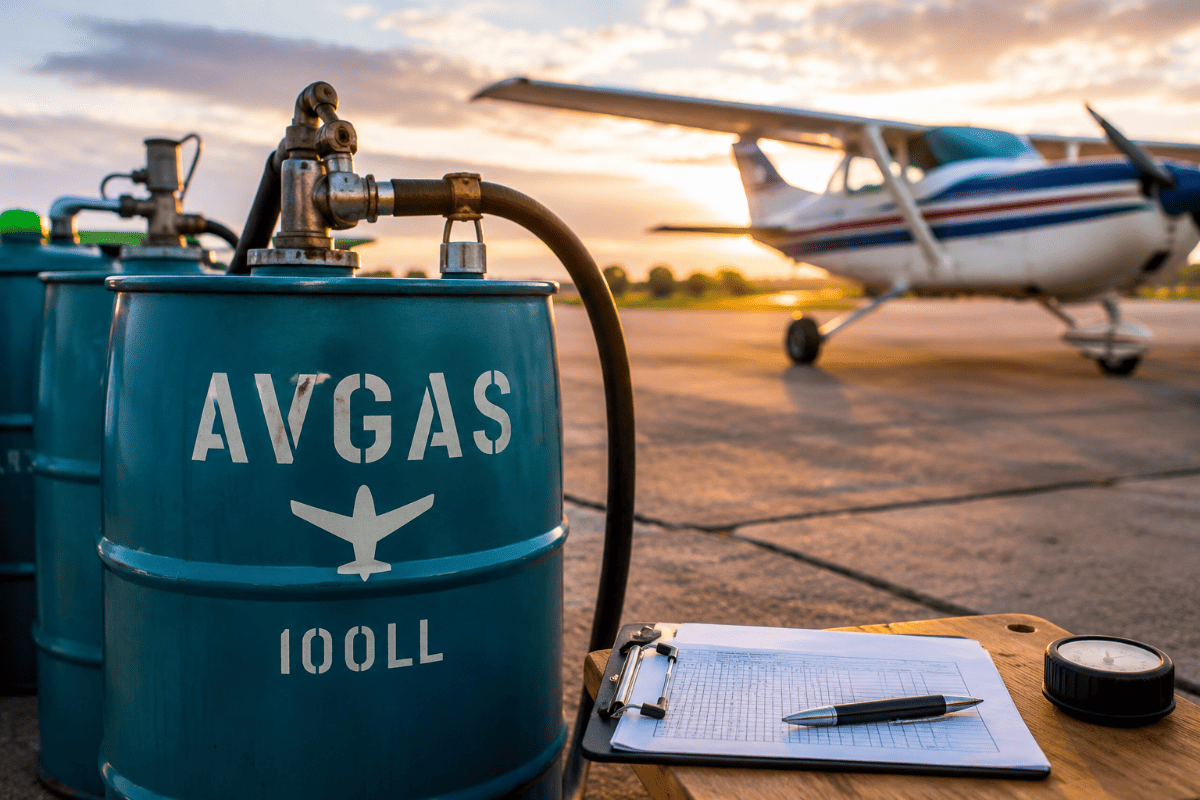
The shelf life of avgas is important for pilots, aircraft owners, and flight schools because fuel does not stay perfect forever. When fuel is stored for a long time, it can slowly change and affect engine performance during flight. That is why the shelf life of avgas is always checked in aviation safety routines.
Good fuel storage keeps aircraft ready, engines steady, and flights safe. Even small storage mistakes can reduce fuel quality over time.
Why Understanding the Shelf Life of Avgas Matters
Fuel is the heart of every aircraft. If fuel becomes weak or contaminated, the engine may not run smoothly. That is why understanding fuel life is very important for safe flying.
Avgas is designed to stay stable for a long time, but it still depends on storage conditions. Heat, air, and water can slowly change fuel quality. This can lead to poor engine response or uneven combustion during flight.
When operators know fuel life limits, they can plan refueling better and avoid using fuel that is no longer safe.
Frequently Asked Questions
Q1: What is the shelf life of AVGAS 100LL?
AVGAS 100LL can stay usable for several months under proper storage conditions. Clean, sealed tanks and stable temperature help maintain fuel quality and keep it safe for aircraft engine use.
How Long Does Avgas Last Under Proper Storage Conditions
Under proper storage, avgas can last for several months and sometimes even longer. The real answer to how long does avgas last depends on how it is stored and handled.
If fuel is kept in sealed tanks with a stable temperature, it stays fresh for a longer time. Clean storage systems slow down fuel aging. On the other hand, open tanks or poor sealing reduce fuel life quickly.
Small changes in temperature or exposure to air can slowly affect fuel strength. That is why storage care is always important in aviation operations.
What Affects AVGAS Shelf Life the Most
Fuel quality does not stay the same forever. Several natural and environmental factors affect how long avgas remains usable.
Temperature changes are one of the biggest reasons fuel quality drops. When fuel heats and cools again and again, its structure can slowly change. Moisture is another problem. Even a small amount of water inside tanks can mix with fuel and cause contamination.
Air exposure also plays a role. When fuel is not tightly sealed, oxygen enters and slowly reduces fuel stability. Dirt and small particles can also enter through poor handling. All these factors together decide how long avgas stays safe for aircraft use.
Frequently Asked Questions
Q2: Does aviation gasoline expire?
Aviation gasoline does not have a fixed expiry date, but it can degrade over time. Heat, moisture, and air exposure slowly reduce quality, so fuel must always be checked before aircraft use.
Why Aviation Fuel Storage Practices Make a Big Difference
Good storage is one of the most important parts of fuel safety. Aviation Fuel Storage systems are designed to protect fuel from air, water, and dirt.
When fuel is stored in clean, sealed tanks, it stays stable for a longer time. Storage tanks also use filters to keep impurities away. Temperature control in storage areas also helps maintain fuel quality. Without proper storage practices, even high-quality fuel can become unsafe over time.
Frequently Asked Questions
Q3: What causes AVGAS to degrade?
AVGAS degrades due to heat, moisture, air exposure, and contamination from dirt or poor storage conditions. These factors slowly reduce fuel stability and affect safe aircraft engine performance.
How AVGAS 100LL Maintains Performance During Storage
AVGAS 100LL is designed to stay stable during storage compared to many other fuels. Its chemical structure helps it resist quick breakdown. This means it can remain usable for longer when stored correctly.
However, even strong fuel needs care. Clean tanks, sealed containers, and proper handling are still required. If storage conditions are poor, even AVGAS 100LL can lose quality over time. Good handling ensures that fuel stays ready for safe engine use whenever needed.
Signs Your Aviation Fuel May Be Contaminated
Contaminated fuel can harm aircraft engines quickly. That is why pilots and technicians always check fuel before use. One common sign is a cloudy or unclear appearance. Clean avgas should look clear and consistent. If water is present, it often settles at the bottom of the container.
Another sign is an unusual smell or floating particles. Dirt or dust inside fuel means it has been exposed to poor storage conditions. Sometimes fuel may also look darker than normal, which is a warning sign. If any of these signs appear, the fuel should not be used without proper cleaning or testing.
Frequently Asked Questions
Q4: Can old AVGAS damage an aircraft engine?
Yes, old or contaminated AVGAS can damage aircraft engines. It may cause poor combustion, engine roughness, or filter blockage, which can affect safe flight performance and engine reliability.
Safe Fuel Storage for Small Aircraft and Flight Schools
Small aircraft and training centers use fuel regularly, so storage care is very important. Flight school fuel storage must always follow strict safety routines because fuel is handled every day.
Fuel tanks should always be kept clean and closed tightly. Regular inspection helps find water or dirt early. Training aircraft also need frequent fuel quality checks before each flight. Good storage habits keep training safe and reduce engine risk during repeated daily flights.
Best Practices to Extend the Shelf Life of Avgas
Simple care steps can help fuel stay fresh for a longer time. Fuel storage for small aircraft must always focus on protection and cleanliness.
Fuel tanks should remain sealed when not in use. This prevents air and moisture from entering. Storing fuel in cool and stable environments also helps slow down fuel aging.
Regular checks are important. Even a quick inspection can detect early signs of contamination. Removing water or dirt immediately keeps fuel safe for aircraft use.
Frequently Asked Questions
Q5: How should aviation fuel be stored?
Aviation fuel should be stored in clean, sealed tanks away from heat, water, and dirt. Regular inspection and proper sealing help maintain fuel quality and extend safe usability for aircraft operations.
Why Buying from a Trusted 100LL Octane Aviation Gasoline Supplier Matters
Fuel quality starts at the source before it even reaches storage tanks. A 100LL octane aviation gasoline supplier follows strict aviation standards to ensure fuel is clean, stable, and safe for aircraft use.
Good suppliers reduce the risk of contamination during transport and delivery. This helps airports and operators receive fuel in proper condition, ready for safe storage and use.
Frequently Asked Questions
Q6: How long can AVGAS be stored safely?
AVGAS can be safely stored for several months when kept in sealed tanks with proper temperature control. Poor storage conditions reduce shelf life and increase contamination risk.
How a Leading Aviation Fuel Supplier Helps Protect Fuel Quality
A leading aviation fuel supplier plays an important role in keeping fuel quality stable from production to delivery. They use controlled systems during transport and storage to avoid contamination.
Fuel is tested, handled, and moved carefully so that it reaches aircraft in good condition. This support helps operators maintain safe and reliable flight operations without fuel-related problems.
Keep Your AVGAS Reliable with Expert Fuel Supply and Storage Solutions
Fuel safety depends on both storage and supply quality. AVGAS 100LL stays reliable when it is handled with care from delivery to storage and final aircraft use. Proper systems protect fuel from contamination and keep it stable for longer periods.
Sergeant Oil & Gas supports clean fuel handling, safe storage practices, and reliable delivery systems that help maintain fuel quality for aircraft operations and long-term aviation safety.

- 100 Octane Aviation Fuel: A Complete Guide to Performance, Applications, and Reliable Supply - July 10, 2026
- How Fuel Prices Are Affecting Aviation in 2026 - June 30, 2026
- What’s the SHELF LIFE of Avgas? - June 18, 2026

